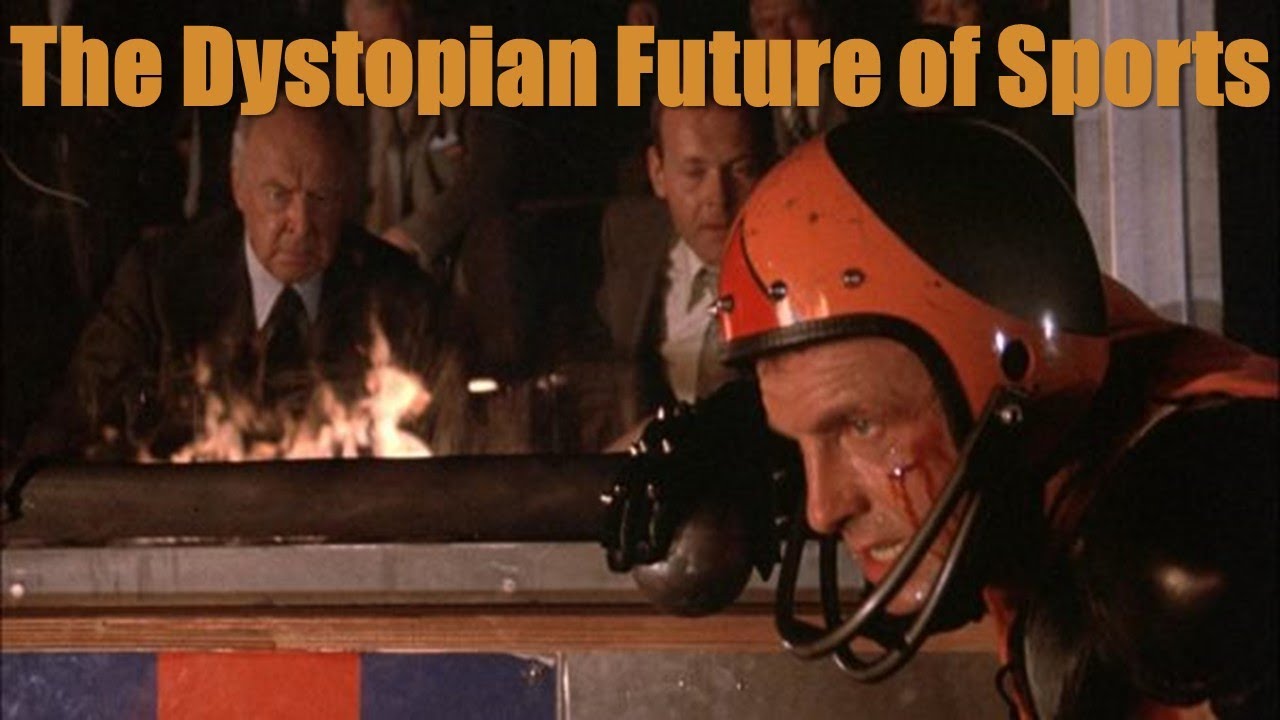
Rollerball, the 1973 version, is one of my favorite movies and it tells the dystopian tale of a world run by corporations. It’s a great blend of political commentary, human frailty, and great action; but that’s not what I want to discuss today.
In the world of Rollerball corporations rule the world, there are no more governments. Jonathon E is the Rollerball player who discovered the rot at the heart of the corporations and is implied to begin the revolution against them.
My question today is if Rollerball depicts a dystopia, what sort of world do we live in currently?
The Corporate Society of Rollerball
As far as today’s discussion goes, the important moment in the movie involves an early conversation between Jonathon and Bartholomew, the leader of the Energy Corporation. Bartholomew is describing to Jonathon the benefits that corporations brought to the world.
Now, everyone has all the comforts. You know that. No poverty. No sickness. No needs and many luxuries – which you enjoy – just as if you were in the executive class. Corporate society takes care of everything. And all it asks of anyone, all it’s ever asked of anyone, ever, is not to interfere with management decisions.
Our Corporate Society
The corporations of today offer none of the benefits of which Barthalomew speaks. Poverty? We’ve got that and the rapacious use of available resources taken by corporations makes everything more expensive and less available. Sickness? The healthcare industry is little more than a method by which Big Pharma generates profit. Crime? We’ve made crime a profit center. We have no incentive to end crime and prison because they generate revenue. Hunger? People can barely afford staples anymore. The agricultural industry largely enriches a few big corporations at the expense of workers, family farmers, and the environment.
If Jonathon was upset with the dystopian world of Rollerball, what would he think about our current circumstances?
Conclusion
Rollerball a dystopia? Ha. It’s a paradise compared to the real corporate takeover.
Tom Liberman