I made an enormous tactical mistake during my Friday night Board Game session this past weekend and I remembered an important chess concept; mitigate mistakes, don’t compound them.
Chess is really the first place I learned about the notion and Magnus Carlson demonstrated the idea during his recent run to become Chess Freestyle World Champion. I think the idea we must mitigate mistakes rather than compounding them a useful life lesson and therefore, here we go,
What is it to Mitigate Mistakes?
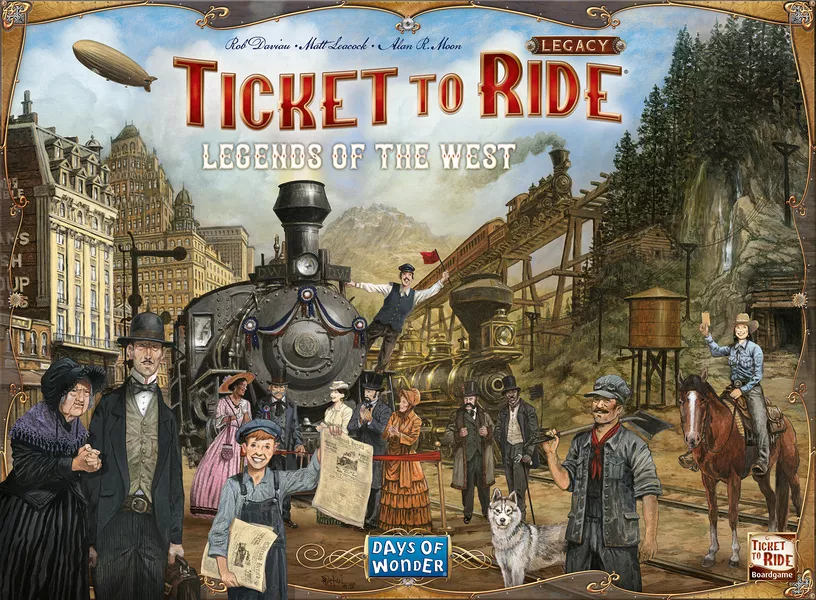
My tactical blunder during the latest session of Ticket to Ride: Legends of the West involved me playing to the winning strategy of a previous turn rather than the winning strategy of the current turn. Basically, I put my gold into the wrong basket. By the time I realized my enormous blunder, it was far too late to fix it.
There was no possible way to attempt the previous round strategy and accomplish any of the goals of the current round. That’s when I put on my mitigate mistakes hat. Rather than pursuing my original strategy, I gave it up. I went with the new strategy and accomplished multiple goals gaining a fairly good number of points. Not as many as if I played that way from the start, but at least some.
Don’t Compound the Mistake
By giving up my original strategy I essentially forfeited all, or at least most, of the points associated with the original goal. It’s certainly true that giving up those points hurt me but they were already lost for the most part, the old goal was less useful in the new round.
If I continued on with my misguided strategy I would have earned none of the points associated with the better tactic and fallen even further behind than I did.
Conclusion
The lesson is that once the mistake happens, there is no fixing it. What’s done is done. Trying to fix it generally just compounds the problem and makes it worse. That’s what we should all learn to do.
It’s not easy to admit a mistake and we all want to deny it because of our ego. Sometimes it’s important to put the ego away, mitigate mistakes with a humble sigh, and get on with life.
Tom Liberman