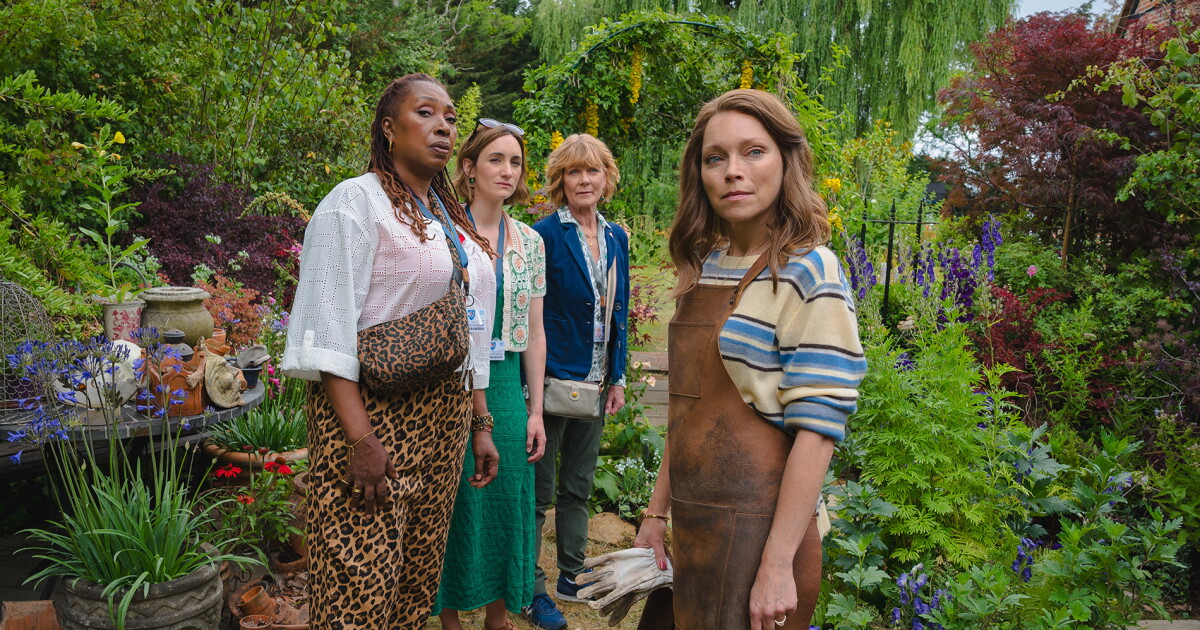
I just watched the first episode of Marlow Murder Club on PBS and the opening scenes caught my attention. I want to discuss what they chose to do with the opening scenes and how it contrasts with most of the other shows I watch these days.
The concept of showing and not telling is central to good writing, at least according to people who know what they are talking about. Let’s talk about it.
Showing versus Telling
I think most people understand the concept of showing instead of telling but I wanted to spend a few seconds explaining, in case of confusion.
When one character tells another character something happened, that is called exposition and is the primary example of telling instead of showing. A character tells another character she just got back from vacation. Usually this happens because the return from vacation is important to the plot in some way. The audience needs this information to set up something in a future scene. That’s telling. Now let’s look at showing.
The Opening Scenes of Marlow Murder Club
To dispense with any suspense; the opening scenes of Marlow Murder Club demonstrate the concept of showing instead of telling quite well and I’m here to praise those scenes.
In Marlow Murder Club we have three main protagonists, local ladies who live in the community and know the comings and goings more intimately than the police. This theme is one I discuss elsewhere if you’d care to read about it, it’s a good theme.
In the opening scene of Marlow Murder Club, we see protagonist Becks packing her family off on camping vacation. Her daughter is pained and begs mom for help, but no, off they go. It’s a nice little scene to be sure, showing a realistic family dynamic. I feel certain the scene happens to allow Becks to be on her own for four days. This is important to the plot.
The second scene shows dog-walking protagonist Suzie coming to a closed bridge and being annoyed. This becomes important to the plot almost immediately as Suzie is present at the town hall, to complain about the bridge, when the murder takes place.
Pretty standards scenes, handled quickly and easily and yet important to good writing, to viewer immersion.
How other Shows Handle such Situations
I suspect almost every other show I watch these days would not handle the two scenes above as well. Big budget shows with long run times fail to accomplish such routine scenes all the time.
It’s my opinion that most other shows would simply introduce both of those concepts via telling. We’d see Becks talking with Suzie or the other protagonist saying something like, “So, the family is off camping?” We’d see Suzie showing up at the town hall meeting to complain about the bridge without the actual bridge closed scene.
The problem is we, the audience, only have the word of another character that something happened. We didn’t see it happen, it’s not real to us. By inserting those two short scenes, we know these things happened, we see them. We know Becks’ family is on vacation because we saw them get in the car and drive off. We know Suzie couldn’t cross the bridge because we saw the bridge closed sign, we saw her dog-walking route interrupted.
Conclusion
That’s it. That’s what I’m talking about. It’s not a particularly complicated concept and yet it is a lost art in modern entertainment. Those two scenes are so simple, they take up so little time, and yet they immediately immerse us in the world. We believe we are there. We see it happening. That’s good writing.
I know I often write negatively about entertainment but I prefer praising and it’s great to do so today.
Tom Liberman