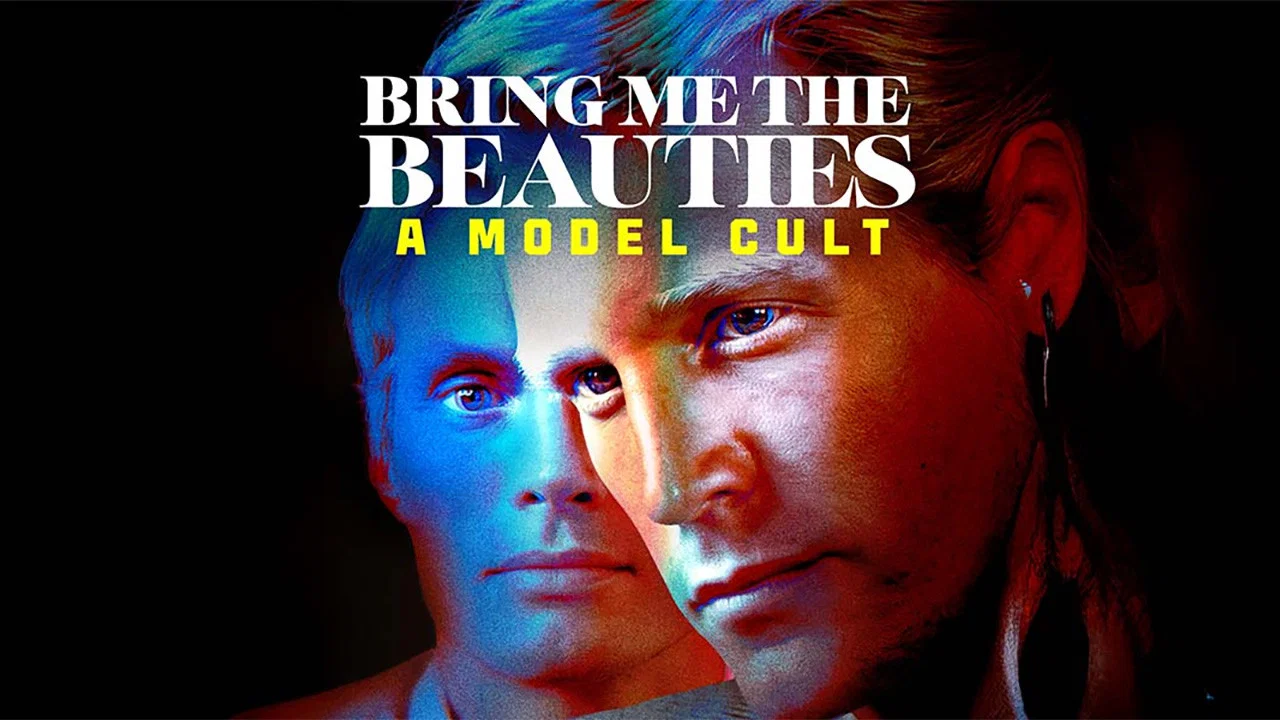
I just finished watching a fascinating HBO documentary called Bring me the Beauties: A Model Cult and near the end a fellow said something I found particularly interesting. The show details the goings on of a new age spiritual group calling itself Eternal Values.
A man named Hoyt Richards, born John Richard Hoyt, became involved in the group when he was about sixteen years old and spent years of his life with them. The documentary itself is quite interesting but it was a single line of dialog near the end that caught my attention. Hoyt postulates that everyone is susceptible to methods used by cults, religious organizations, advertisers, political parties, and many others who wish to control us.
Belonging to Eternal Values
Bring me the Beauties focuses mainly on the group Eternal Values and Hoyt makes it clear he now considers it a cult and deeply regrets his involvement. Hoyt comes across as sincere, regretful, and deeply pained by his actions but it’s his examination of how he became a member of Eternal Values, why he, and others, were susceptible to the manipulations of the group’s leader, Frederick von Mierers that interests me.
We all like to think we are not silly enough to become involved in such an organization but Hoyt cuts through that delusion. He says that everyone he has ever known has or had a relationship similar to the one he had with von Mierers. I agree. We are all human, we all have the same vulnerabilities, we all become emotionally attached in one manner or another. We want to be right; we want to be special. We all can be manipulated by someone who knows how use those vulnerabilities, we all can fall victim to our own wishful thinking.
My Brain and Hoyt’s Brain
One of the interesting points in Hoyt’s story is how von Mierers focused on making sure he told Hoyt and others, how special they were. Now, I think that works for a lot of people but on the few occasions someone has come up to me and told me I’m special, my brain immediately becomes suspicious and skeptical.
I’m certain I’m less vulnerable than many to this sort of manipulation but far from immune. The reason being the way my brain works. I’m on the autism spectrum and I’m also five feet seven and half inches tall. I have a thin frame; I wear size 10.5 shoes. The reason I mention this is that they are all things over which I have no control. We tend to imagine our rational capacity is a choice but it is largely not so.
It is the same as someone prone to heart disease or addiction. Just because I’m less susceptible to the sort of manipulation that victimized Hoyt does not mean I’m immune to it. Just because someone is not prone to addiction doesn’t mean they will never become addicted.
That’s the part of Bring me the Beauties that really got me thinking, that started me on the path to writing what you’re reading now. A person prone to heart disease needs to exercise and eat a healthy diet. A person prone to addiction needs to be aware of it and take disciplinary measures to avoid falling. A person who tends to be less skeptical, who wants to believe something because it makes them feel good, that is a person who needs to be watchful for the von Mierers of the world, to their own delusions.
Conclusion
Hoyt is absolutely correct in his conclusion. People are all vulnerable to such manipulations and self-delusions. We all might become a member of such a group. Be it mainstream activities we don’t even consider a cult: Atheism, Christianity, Democrat, Republican, Vegan, CrossFit; or less acceptable groups like Eternal Values, belief in alien visitations, whatever.
As the saying goes, knowing is half the battle. Be aware, be cautious, be skeptical. In the end, you are in charge of your life, the choices you make, the words you speak. As reformed member Jacki Adams said so poignantly, Now I make better bad decisions. Try to do the same.
Tom Liberman