Endless Population Growth is not good Economics

Endless Population

Modern economists, along with politicians and agenda driven ideologues, often preach the mantra of endless population growth as a means to economic wealth. The more people, the higher the GDP, the higher the GDP the more wealth, the more wealth, the happier and better off the people. Have more babies!

If you do not have more babies, economic ruin is coming for you. Your way of life will be destroyed. If we do not have more babies, it will be an unmitigated disaster!

I disagree.

Endless Population equals Endless Misery

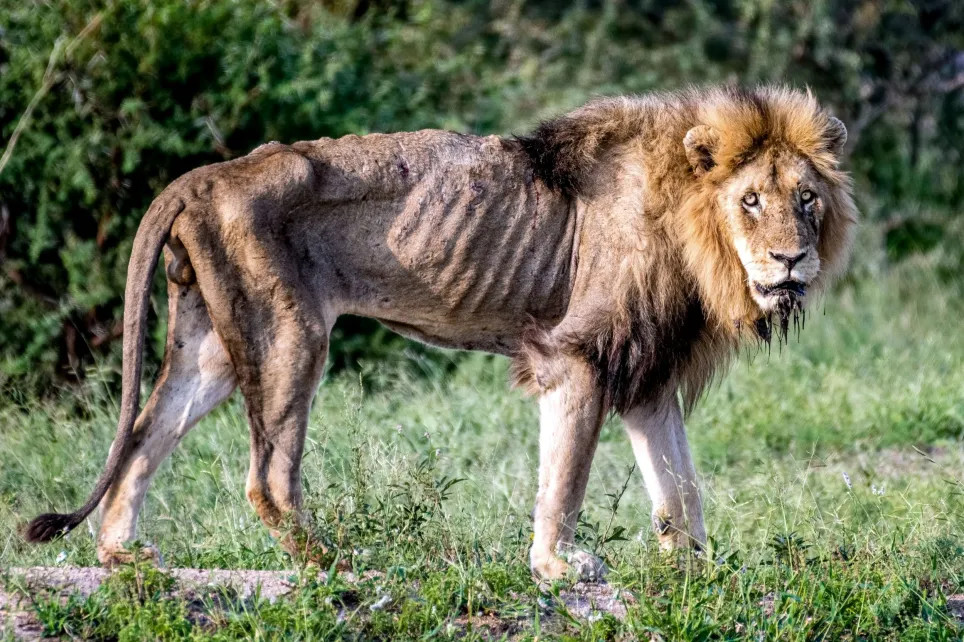
It is clear that endless population growth is something that will destroy the world. We have limited resources and are already fighting wars for oil, water, and even food. We need look no further than the animal kingdom to see the result of endless population growth. Wolves who kill all the prey eventually starve. Deer who eat all the vegetation eventually starve.

It is obvious that we must not continue on this path and yet the economists and elite encourage us to do just that. Why?

Endless Lust for Money

The economic rules we slavish follow today that preach an ever-growing GDP help the wealthy but they harm the average person. The economic platforms were created by the rich, for the rich.

The rich want more money and the way they get that is to have an endless supply of worker bees feeding them their wealth.

Japan has a lower population and a lower GDP than they had 30 years ago. The debt to GDP ratio is enormous. Six children are born for every twelve people who die. By all the standards the economists ardently tell us, it must be a country in decline with a population living below poverty, starving even. Spoiler, it’s not.

This is impossible if you believe the lies the wealthy instruct economists to feed you.

Equilibrium

Yes, more people are dying in Japan than are being born. The wealthy claim with straight faces this means the population will eventually reach zero. The people will cease to exist. This is, of course, utter nonsense. Eventually, as older people die off, the population will stabilize and reach a healthy equilibrium

This is the desired outcome. It is not something to be feared, it is something to celebrate.

Conclusion

I am not a radical. I do not propose radical solutions. I simply suggest that we stop giving the rich our food, our children and grandchildren, for them to feed their insatiable appetites. Let the population reach an optimum, sustainable level, and then allow humanity to reach our potential.

If we continue to follow the endless population mantra we will decline, wither, and die, while the rich party on their yachts and laugh at our misery all the while blaming us for it.

Tom Liberman

Is Deflation Really Bad?

deflation

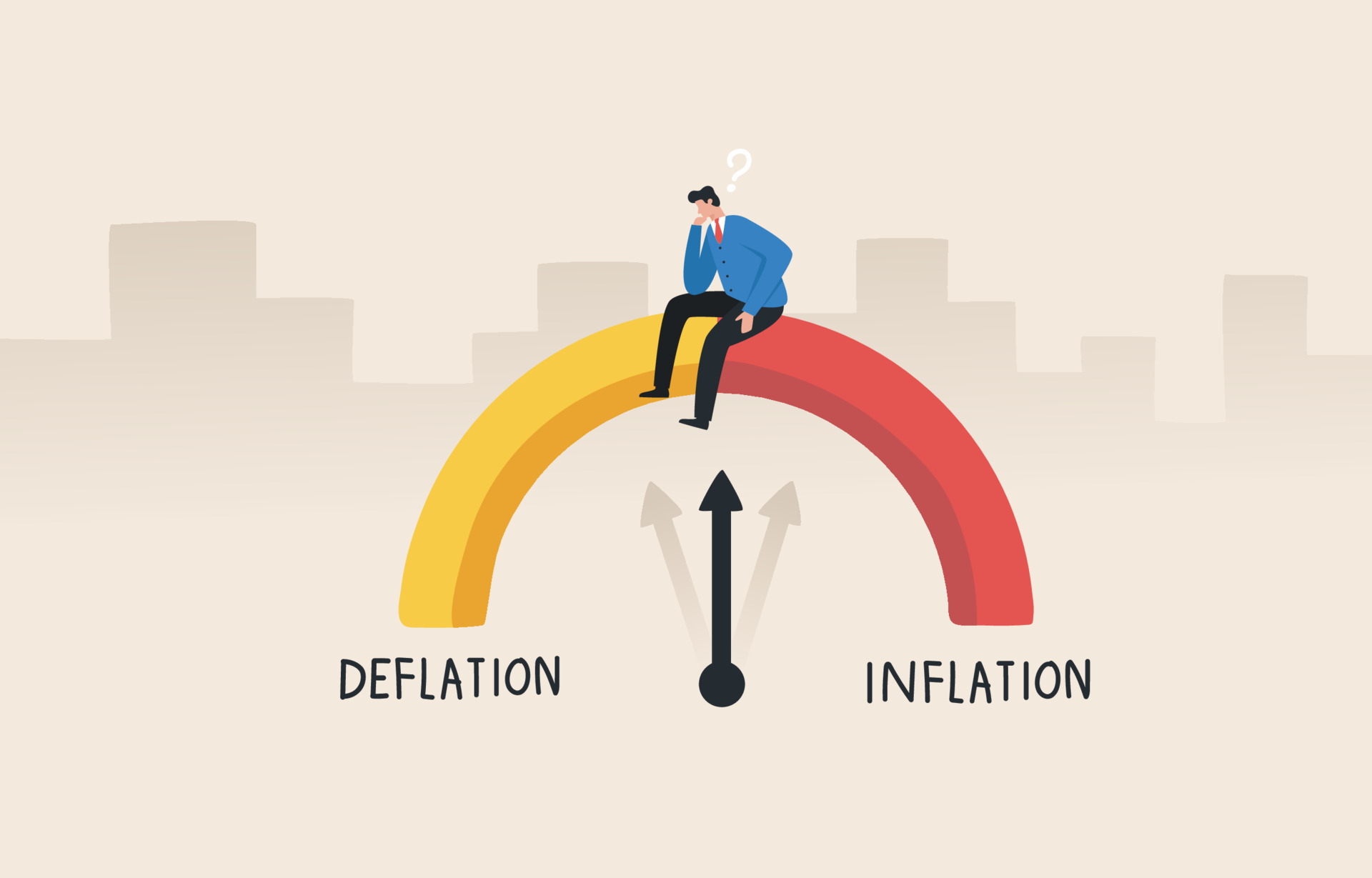
The modern economic world has long been fighting a battle between too much inflation and deflation. Some inflation is the goal and deflation is the enemy. I’m no economists and everything that follows is simply my observation and opinion.

Inflation is when prices go up and deflation is when prices go down. The competing factors are real wages and nominal GDP. What is best for the average consumers of a nation? Growth combined with inflation or shrinkage combined with deflation? That’s my question.

Why I’m thinking about Deflation

The reason all this comes to my mind is some YouTube videos in which the content creator visits small and moderate sized restaurants in Japan. Many of these places are absolutely tiny, the equivalent of which either does not exist in the United States are is so rare that I don’t encounter it.

They have seats for maybe a dozen people, generally around a long counter, and the staff is anywhere from one person to perhaps four. They have small menus and some even offer a single entrée. The prices are insanely low, low beyond comprehension. An entire sushi meal for seven dollars. That kind of low. Prices that seem impossible to my tainted, GDP brainwashed mind.

Lost Decades

The reason for this is complex to say the least and well beyond my economic ability to understand. That being said, Japan has suffered something called the Lost Decades. A long period of deflation. During this period, 1995 to today, Japan’s nominal GDP fell from $5.55 trillion to $4.27 trillion. This is an economic disaster according to modern theory.

Yet, a fantastic meal of sushi with beverage, made by an artist right in front of you, in a hole-in-the-wall restaurant, costs seven dollars. A plate of a dozen ludicrously delicious dumplings, filled, folded, and steamed before you very eyes, costs three dollars. Am I the only one thinks that deflation might be a good thing?

Fantastic GDP

In the same period of time the GDP of the United States rose from $7.64 to $30.49 trillion. This is fantastic growth according to economic theory. This is the goal our economists and politicians create policy to accomplish.

And yet, the price of a burger at restaurant down the street is seventeen dollars. Our main political conversation is about something called affordability. An increasingly large percentage of people literally cannot afford to live in the United States. Food, housing, transportation, healthcare, and other basic needs cost more than we make.

Conclusion

As I stated earlier, I’m not an economist, these things are well beyond my primitive understanding, but I am a human being, and I have eyes. I see. If I my wealth is reduced by fifty percent but the cost of living decreases sixty-six percent, am I not wealthier?

Are we chasing the wrong carrot? Do we fear the wrong stick? Or, to put it more crudely, have the billionaires sold us a pile of manure while doing our backsides wrong?

Tom Liberman